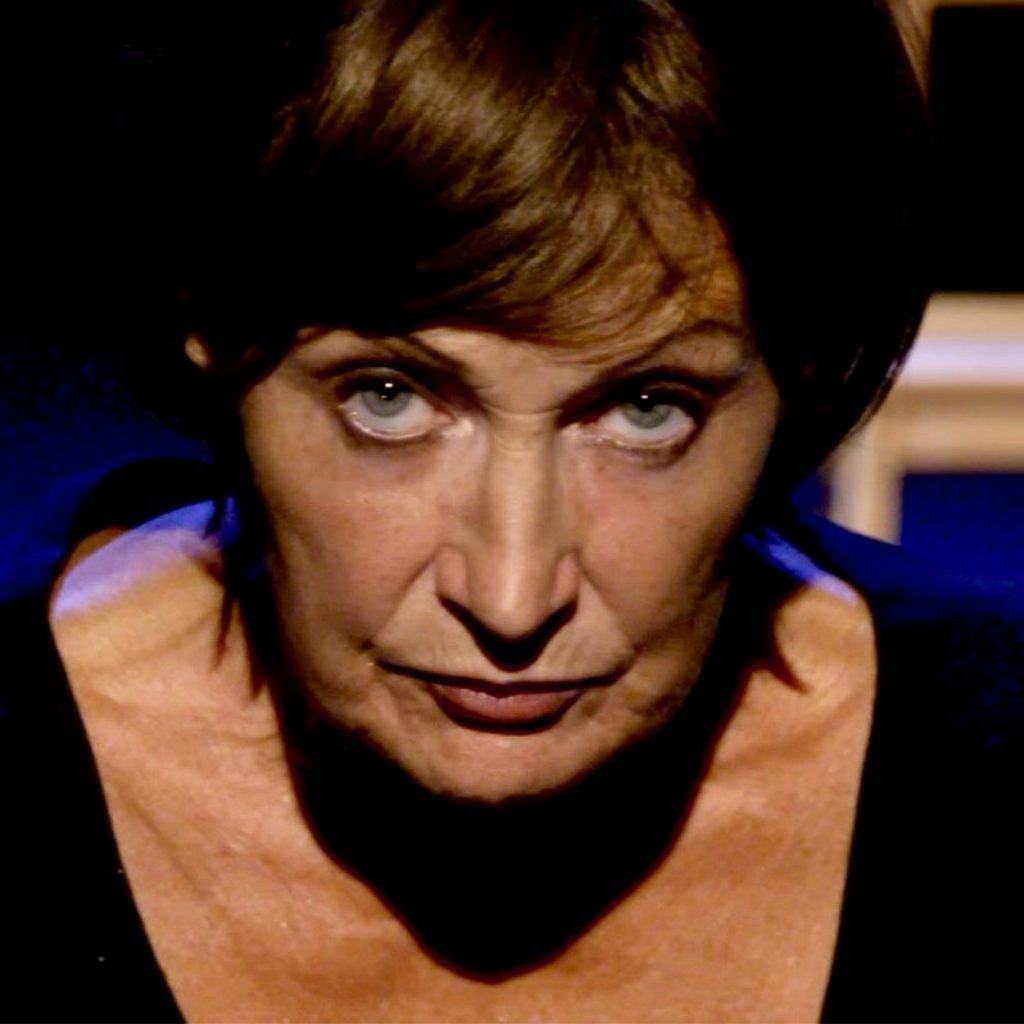
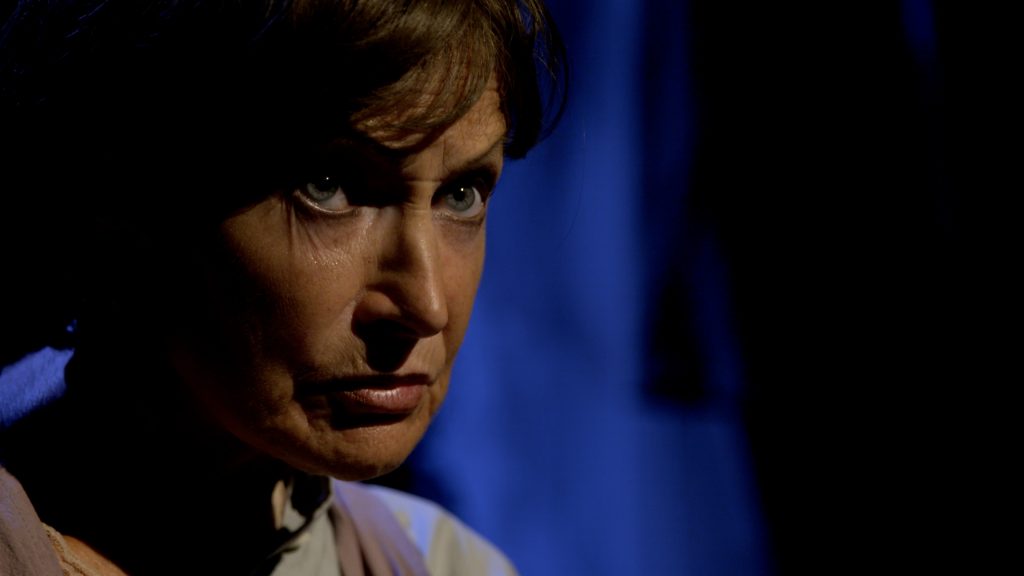
Eavesdrop tears open the quiet places where trauma hides, blending stark psychiatric reality with the eerie lyricism of a gothic fever-dream. A highly original psychological drama, it exposes the fragile borders of identity and the uneasy tension between healing and harm. Eavesdrop unfolds like a psychological thriller dipped in poetry—where trauma fractures the light and the mind becomes both patient and storyteller.
★★★★★ “A breathtaking excavation of a mind under siege.”
★★★★ “Visually hypnotic, emotionally fearless and disturbingly beautiful.”
At the centre is Dani, a woman shaped by a young life marked by traumas too painful to face. To survive, she slips into a dissociative inner realm—an imagined refuge where real life cannot touch her, and where buried memories flicker at the edges like ghosts. But escapism carries a cost. As the clinical world closes in, diagnosing, observing, interpreting, Dani’s grip on reality tightens and unravels in equal measure. The most dangerous voices are sometimes the ones meant to heal.
The piece interrogates both the modern medical gaze and the myths we build around sanity. It asks: Who has the power to declare a mind “well”? What happens when the systems meant to restore stability begin to erode it instead? In a time when mental health is both urgently discussed and heavily scrutinised, Eavesdrop confronts the complexity of trauma with poetic clarity and unsettling intensity.
Through fever-driven monologues, fractured memories, and hallucinatory imagery, Dani fights to reclaim a story overshadowed by silence. Her lyrical interior world clashes with the stark precision of psychiatric judgment, producing a theatrical experience that is haunting, humane, and brutally contemporary.
Part psychological thriller, part intimate confession, Eavesdrop lingers long after the lights fade—inviting audiences to question not only Dani’s sanity, but their own assumptions about identity, diagnosis, and the ghosts we allow to shape us